From the Mishnah to Matthew: How (and When) Do The Rabbinic Texts Help?
Dru Johnson
12.13
1 October 2025
12 November 2025
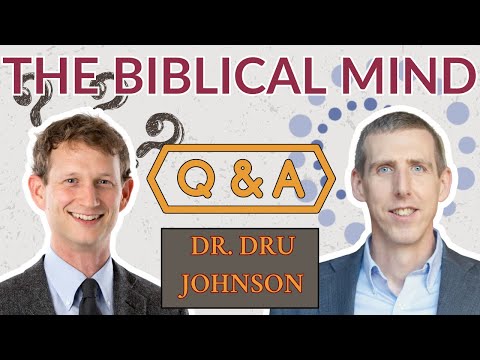
In this episode, New Testament scholar Dr. Paul Sloan joins Dru Johnson to tackle a growing trend in popular Christian teaching: interpreting Jesus through the lens of rabbinic literature. While appealing to rabbinic sayings can enrich our understanding, Sloan cautions against assuming that texts written down centuries after Jesus can be cleanly projected backward into his world.
Sloan critiques both the romanticizing and the overuse of rabbinic sources—like the oft-cited “dust of the rabbi” motif—as attempts to anchor Jesus too neatly within later rabbinic frameworks. He explains that while rabbinic rulings preserved in texts like the Mishnah (c. 200 CE) or the Babylonian Talmud are valuable, their chronological and geographical distance from the first century limits their direct relevance to the Gospels.
However, Sloan offers criteria for responsible use: when a rabbinic ruling aligns with earlier sources like Josephus, Philo, or the Dead Sea Scrolls—or when it shows clear development from earlier traditions—it can illuminate Jesus’ context. He points to specific examples, such as Sabbath exceptions for commissioned tasks, that reflect similar reasoning in Jesus’ own arguments.
To get your copy of Jesus And The Law Of Moses:
https://bakerpublishinggroup.com/products/9781540966384_jesus-and-the-law-of-moses
We are listener supported. Give to the cause here:
https://hebraicthought.org/give
For more articles:
https://thebiblicalmind.org/
Social Links:
Facebook: https://www.facebook.com/HebraicThought
Instagram: https://www.instagram.com/hebraicthought
Threads: https://www.threads.net/hebraicthought
X: https://www.twitter.com/HebraicThought
Bluesky: https://bsky.app/profile/hebraicthought.org